
What Is a Vulnerable Narcissist? 15 Traits and How to Deal With Them
What Is a Vulnerable Narcissist? 15 Traits and How to Deal With Them
 Grace Being
 When most people hear the word narcissist, they picture someone loud, arrogant, and outwardly self-obsessed. But not all narcissists fit that mold. A vulnerable narcissist presents quite differently, more sensitive, withdrawn, and emotionally fragile. Yet behind this softer exterior lies the same core struggle for control, validation, and emotional dominance.
Understanding the vulnerable narcissist is essential for protecting your emotional health. Their subtle manipulation and self-pity can leave you questioning your own feelings and worth. In this guide, we’ll explore 15 key traits that define a vulnerable narcissist, why they act the way they do, and most importantly, how you can protect yourself when dealing with them.
Exciting news! I’ve turned this work into a full book.
Sign up below for early bird discounts and first access to pre-order.
Understanding the Vulnerable Narcissist
A vulnerable narcissist is someone who masks deep insecurity and low self-worth with sensitivity, self-pity, and subtle manipulation.
Unlike grandiose narcissists, they appear introverted and emotionally fragile but still crave validation, control, and admiration. Their behaviors include passive-aggressiveness, hypersensitivity to criticism, and emotional withdrawal.
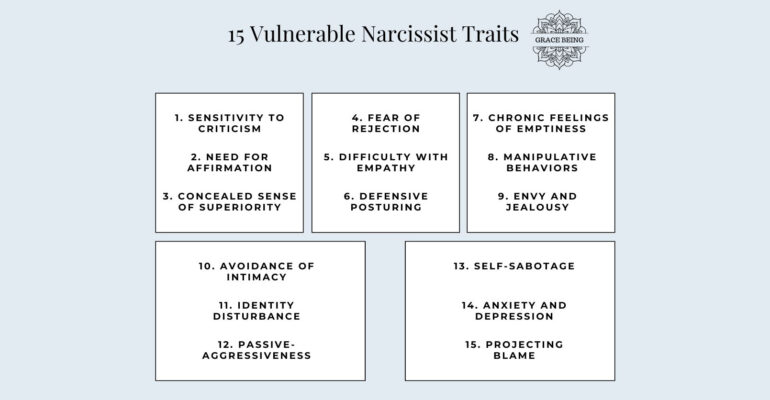
Recognizing the signs of a vulnerable narcissist can be challenging because their behaviors often hide behind sensitivity and self-doubt. Below are 15 classic vulnerable narcissist traits, along with real-life examples to help you spot these red flags.
1. Hypersensitivity to Criticism
Definition: Vulnerable narcissists react strongly to even mild feedback, perceiving it as a personal attack.
Example: A colleague receives constructive input on a project and responds with emotional withdrawal or by sulking for days.
2. Constant Need for Validation and Praise
Definition: They crave continuous affirmation to soothe their fragile self-esteem.
Example: A friend repeatedly asks for reassurance about their appearance or work performance, becoming visibly upset if you don’t offer enough praise.
3. Hidden Feelings of Superiority
Definition: Despite their insecure exterior, vulnerable narcissists secretly believe they are more special or deserving than others.
Example: During group conversations, they subtly imply that others don’t understand things as deeply as they do.
4. Intense Fear of Rejection
Definition: They interpret neutral actions as personal slights and often expect abandonment.
Example: If you cancel plans, they accuse you of not caring or being a bad friend, even if the reason was unavoidable.
5. Lack of Empathy Toward Others
Definition: They struggle to genuinely connect with others’ feelings, making every conversation about themselves.
Example: When you share something upsetting, they quickly shift the topic back to their own struggles.
6. Defensive and Reactive Behavior
Definition: Vulnerable narcissists react defensively to disagreement, over-explaining or becoming argumentative.
Example: You make a simple suggestion at work, and they launch into a lengthy justification of why their original idea was perfect.
7. Chronic Emptiness and Low Self-Worth
Definition: They experience ongoing feelings of internal emptiness, no matter how much external validation they receive.
Example: Despite recent achievements, they frequently complain about feeling unfulfilled or lost.
8. Emotional Manipulation and Gaslighting
Definition: They use subtle manipulative tactics like guilt-tripping or distorting facts to control others.
Example: After an argument, they insist you’re the one overreacting, even when you were calm and reasonable.
9. Envy and Jealousy Toward Others
Definition: Vulnerable narcissists feel threatened by others’ success and happiness.
Example: When a friend shares exciting news, they downplay it or shift attention back to their own hardships.
10. Avoidance of Emotional Intimacy
Definition: They fear closeness because it exposes their vulnerabilities, sabotaging relationships to maintain distance.
Example: They may end a relationship suddenly, claiming they’re not ready for commitment, after months of emotional push-pull behavior.
11. Shaky or Unstable Identity
Definition: Vulnerable narcissists have a fragile sense of self, adopting different personas depending on who they’re with.
Example: Around one friend group, they’re the victim. Around another, they’re the intellectual experts. Their identity constantly shifts.
12. Passive-Aggressive Communication Patterns
Definition: Instead of expressing anger directly, they use sarcasm, backhanded compliments, or silent treatment.
Example: They “forget” your birthday after you failed to compliment them at a recent event.
13. Self-Sabotaging Behaviors
Definition: They undermine their own success by procrastinating or giving up easily, to avoid the risk of failure.
Example: They miss an important job interview after weeks of preparation, then blame external circumstances for the outcome.
14. Struggles with Anxiety and Depression
Definition: Vulnerable narcissists frequently battle mood swings, anxiety, and depressive episodes triggered by perceived rejection or failure.
Example: After receiving less attention at a social event, they spiral into isolation and self-pity for days.
15. Blaming Others and Playing the Victim
Definition: They avoid responsibility for their actions by shifting blame onto others and adopting a victim mentality.
Example: After missing a deadline, they accuse coworkers of setting them up for failure instead of admitting poor time management.
What Causes Vulnerable Narcissism?
Understanding the causes of vulnerable narcissism offers valuable insight into why certain individuals develop these challenging patterns. While every case is unique, several psychological, emotional, and environmental factors often contribute to the emergence of narcissistic traits.
Childhood Trauma and Emotional Neglect
One of the most common narcissist red flags can be traced back to childhood. Individuals who later develop vulnerable narcissism may have grown up in environments marked by emotional neglect, abandonment, or unpredictable affection.
As children, they lacked consistent validation or experienced conditional love, leading them to build a fragile ego as a defense mechanism.
Inconsistent Parenting and Unstable Attachment
Another key contributor is inconsistent parenting. This could involve caregivers who alternated between overpraising and harsh criticism.
Such unstable attachment dynamics create confusion about self-worth, forcing the child to oscillate between feelings of superiority and deep insecurity. These are two hallmark narcissistic signs seen in adulthood.
Deep-Seated Feelings of Inadequacy
Many vulnerable narcissists harbor a core belief that they are not good enough, no matter how much external validation they receive. This internal conflict often fuels their hypersensitivity to criticism, their need for constant reassurance, and their tendency to engage in manipulative behaviors to control how others perceive them.
Emotional Development Disruptions
Some researchers believe that vulnerable narcissism can also stem from disruptions in emotional development. Without learning how to process feelings like disappointment, frustration, or rejection in healthy ways, these individuals may resort to passive-aggressive behaviors, blame-shifting, and emotional withdrawal.
These are classic narcissist red flags that emerge in both personal and professional relationships.
By understanding the causes of vulnerable narcissism, you can more easily recognize the emotional wounds driving these difficult behaviors. This awareness is key when deciding how to navigate relationships with individuals showing narcissistic traits.
Vulnerable Narcissist in Relationships: Common Patterns and Red Flags
Dealing with a vulnerable narcissist in relationships can be confusing and emotionally draining. Their behaviors fluctuate between appearing sensitive and emotionally needy to being manipulative and distant. Understanding these common narcissistic behavioral patterns can help you protect your emotional well-being.
Romantic Relationships
In romantic settings, vulnerable narcissists often create a cycle of emotional push and pull. Their intense fear of rejection makes them clingy and overly dependent on their partner for constant validation. Small disagreements may spiral into emotional outbursts, silent treatment, or passive-aggressive behavior.
They may seem loving and attentive one moment, then cold and withdrawn the next. This unpredictability keeps their partners walking on eggshells, constantly trying to avoid triggering their hypersensitivity.
Red flags in romantic relationships include:
- Excessive need for reassurance
- Emotional manipulation and guilt-tripping
- Avoidance of real intimacy
- Overreacting to perceived criticism
Friendships
Friendships with a vulnerable narcissist often feel one-sided. They seek emotional support but rarely offer the same in return. Conversations tend to revolve around their problems, and any perceived slight, real or imagined, can lead to sulking or passive-aggressive retaliation.
They may display narcissistic traits like jealousy when friends succeed, minimizing others’ achievements to protect their fragile ego.
Common red flags in friendships:
- Constantly playing the victim
- Turning minor issues into personal betrayals
- Envy toward other friends’ success or attention
- Using guilt to maintain control in the friendship
The Workplace
A vulnerable narcissist in the workplace often struggles with teamwork and feedback. They may view constructive criticism as a personal attack and respond with defensiveness or withdrawal. Their need for validation can lead to attention-seeking behavior, while their emotional fragility makes them unreliable in high-pressure situations.
Colleagues may notice patterns like blame-shifting, emotional outbursts after feedback, or undermining others to appear more competent.
Workplace red flags include:
- Inability to accept responsibility
- Undermining coworkers
- Overreacting to minor setbacks
- Withdrawing from group projects when feeling criticized
Vulnerable Narcissist vs. Grandiose Narcissist: Key Differences
Not all narcissists behave the same way. Understanding the contrast between a vulnerable narcissist and a grandiose narcissist can help you spot subtle and overt narcissist red flags in different relationships.
At their core, both types share narcissistic traits like entitlement, lack of empathy, and a need for admiration. However, how they express these traits differs significantly.
Here’s a quick comparison:
| Trait | Vulnerable Narcissist | Grandiose Narcissist |
| Emotional Style | Withdrawn, anxious, hypersensitive | Arrogant, dominant, emotionally detached |
| Response to Criticism | Defensive, hurt, internalizes rejection | Angry, aggressive, dismissive |
| Need for Validation | Constant reassurance, passive-seeking attention | Openly demands admiration, public praise |
| Empathy Level | Lacks empathy but hides behind victimhood | Lacks empathy and shows open disregard for others |
| Manipulation Style | Passive-aggressive, guilt-tripping, emotional withdrawal | Direct, controlling, uses intimidation or charm |
| Relationship Behavior | Fearful of abandonment, emotionally needy | Exploitative, often unfaithful, uses others |
| Self-Image | Feels inferior but masks it with self-pity and blame-shifting | Feels superior, often boasts about achievements |
How to Deal With a Vulnerable Narcissist (Without Losing Yourself)
Interacting with a vulnerable narcissist can leave you feeling emotionally drained and confused. Their mood swings, need for validation, and subtle manipulation can take a toll on your well-being. The key to maintaining your emotional health is learning how to set firm boundaries with the narcissist and focusing on self-care.
Here are practical strategies to help you cope:
- Set Clear and Consistent Boundaries
Boundaries are essential when dealing with narcissists to manage painful tactics like emotional manipulation or passive-aggressive behavior. Be specific about what behaviors you won’t tolerate and calmly enforce consequences when those lines are crossed.
Example: If they begin to guilt-trip you, end the conversation until they can communicate respectfully.
- Limit Emotional Engagement During Manipulative Episodes
A vulnerable narcissist thrives on emotional reactions. By staying calm and emotionally neutral during their outbursts or self-pity spirals, you take away their control.
Tip: Practice the “gray rock method” by giving minimal, non-emotional responses when they try to provoke you.
- Don’t Take Their Behavior Personally
Their hypersensitivity, blame-shifting, and need for constant validation are reflections of their internal struggles, not your failures.
Reminder: Their behavior is about their insecurities, not your worth.
- Focus on Your Emotional Health
Make time for activities that ground you, whether it’s meditation, journaling, exercise, or spending time with supportive friends. Strengthening your emotional resilience helps you navigate their narcissistic behaviors without becoming overwhelmed.
- Avoid Trying to Fix or Heal Them Alone
You may feel tempted to help them change or heal their emotional wounds, especially if you’re empathetic. But without professional intervention, lasting change is unlikely.
Advice: Offer support, but don’t take responsibility for their healing journey.
- Seek External Support
Talking to a therapist or joining a support group can offer fresh perspectives and coping tools to help you heal from narcissistic abuse. If the situation feels too overwhelming, professional guidance can help you reclaim your emotional balance.
- Know When to Walk Away
It’s okay to step back or even end the relationship entirely. Protecting your well-being should always be the priority when dealing with persistent narcissist red flags.
Dealing with a vulnerable narcissist becomes even more complicated when the person is a close family member. Guilt, obligation, and emotional history can make it harder to set boundaries or consider distance.
But your mental health matters just as much in family relationships. If their behavior continues to harm your emotional well-being, it’s okay to limit contact or create space, even if they’re a parent, sibling, or other relative. Prioritizing your emotional safety is not selfish, it’s necessary.
Are You a Vulnerable Narcissist? Self-Reflection and Treatment Options
If you’re reading this and wondering, “Could I be a vulnerable narcissist?”—that’s already a positive sign of self-awareness. Recognizing narcissistic traits in yourself takes courage and honesty.
Vulnerable narcissism is rooted in deep emotional wounds, not malice, but it can still impact your relationships and overall well-being.
Self-Assessment: Signs You May Have Vulnerable Narcissist Traits
Ask yourself the following questions:
- Do I often feel hurt or rejected by small comments or perceived slights?
- Do I seek constant reassurance and validation from others?
- Do I struggle to genuinely empathize with people’s feelings without shifting focus back to myself?
- Do I frequently feel like a victim, even in situations where I share responsibility?
- Am I passive-aggressive when I feel misunderstood or criticized?
- Do I have trouble maintaining long-term, emotionally balanced relationships?
If you answered “yes” to several of these, you may be displaying vulnerable narcissist behaviors. More information on the signs and symptoms of narcissistic personality can be found in the DSM-V.
Why Self-Awareness Matters
Being able to recognize these patterns is the first step toward change. Unlike grandiose narcissism, vulnerable narcissism often comes with feelings of guilt, sadness, or self-loathing after hurting others. This emotional discomfort can be a motivator for growth.
Treatment Options and Next Steps
Professional help is crucial for addressing narcissistic traits at the root level. Here are some steps you can take:
- Therapy for Narcissistic Abuse: Working with a licensed therapist can help you explore the emotional wounds behind your behaviors. Therapies like CBT (Cognitive Behavioral Therapy) or psychodynamic therapy are often effective.
- Self-Help Resources: Books and online programs focused on emotional regulation, self-esteem, and relationship skills can offer valuable insights.
- Mindfulness and Emotional Regulation Practices: Techniques like journaling, meditation, and breathwork can help you become more aware of emotional triggers.
- Accountability: Be open to feedback from trusted friends or family. Let them know you’re working on yourself and value their honesty.
Change is possible, but it requires commitment and a willingness to look inward. The goal isn’t to shame yourself but to grow into a healthier, more emotionally available person.
Final Thoughts on Vulnerable Narcissism
Understanding the patterns and traits of a vulnerable narcissist is an important step toward protecting your emotional health.
Vulnerable narcissism isn’t always easy to spot. Its mix of insecurity, emotional manipulation, and hypersensitivity can leave others confused, hurt, or feeling responsible for the narcissist’s emotions.
Recognizing narcissistic abuse cycles and setting clear boundaries is key to maintaining your emotional well-being.
If you’re navigating a relationship with a vulnerable narcissist or working through these patterns within yourself, remember that support and healing are available.
Education, therapy, and self-awareness can help break unhealthy cycles and lead to more balanced, fulfilling relationships.
If you’re ready to take the next step toward healing, consider exploring my Narcissistic Abuse Recovery Program, designed to help you rebuild your sense of self and emotional strength.
Frequently Asked Questions About Vulnerable Narcissists
A vulnerable narcissist often displays hypersensitivity to criticism, emotional manipulation, passive-aggressive communication, and a constant need for reassurance. They may appear withdrawn or self-pitying but still seek control and validation from others. Their behavior is marked by mood swings, fear of rejection, and blame-shifting in both personal and professional relationships.
Common criteria for vulnerable narcissism include low self-esteem, extreme sensitivity to rejection, chronic feelings of shame or inadequacy, lack of empathy, and covert manipulation tactics. Unlike grandiose narcissists, they often present as introverted, emotionally fragile, and prone to victimhood while still craving admiration and control over others.
A vulnerable narcissist may feel attachment or desire connection, but their ability to offer healthy, unconditional love is limited. Their need for validation, emotional instability, and fear of rejection often create toxic relationship patterns. Genuine love is possible only if they recognize their behaviors and commit to personal growth and therapy.
Yes, vulnerable narcissists can recover with self-awareness, professional therapy, and a commitment to change. Treatment often involves addressing childhood trauma, developing emotional regulation skills, and building genuine empathy. Recovery takes time and effort, but change is possible for those willing to take responsibility for their behavior.